


Trip at a glance
- Destination
- Iceland
- Duration
- 5 days
Know before you go
Best time & quick facts
- Best time
- June–August for the mildest days and nearly endless light.
- Currency
- Language
- Icelandic
- Time zones
- GMT (UTC±0, no DST)
- Power plugs
- Type C / F, 230V
- Tap water
- Safe to drink
- Budget
- $200–$400 USD/day
- Getting around
- A rental car is the easiest way to see the Ring Road and south coast; day tours from Reykjavík cover the big sights; Strætó buses are sparse outside the capital.
- Visa (US citizens)
Not required for stays up to 90 days (Schengen). ETIAS travel authorization is planned but not yet in operation (no start date confirmed as of October 2026).
Entry requirements on travel.state.gov- Safety
- Level 1Exercise normal precautions
US State Dept advisoryUpdated May 5, 2026
Weather in Iceland
Best time: June–August for the mildest days and nearly endless light.
- Best
- Good
- Mixed
- Poor
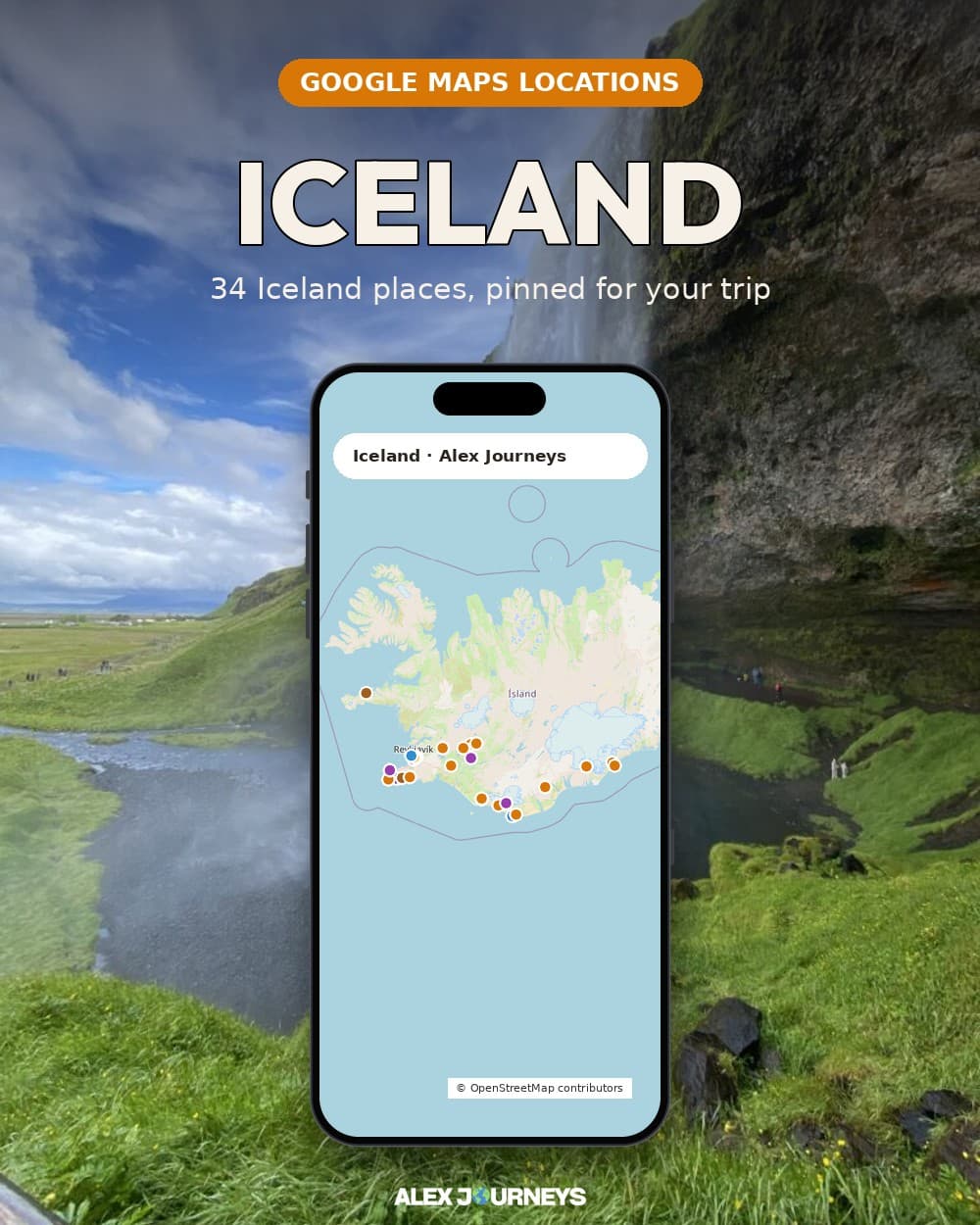
Map of Iceland
Places from this trip — tap a pin for details
I did Iceland in five summer days in August 2023, with my friends David and Gabby, on a package tour. No Ring Road marathon, no planning spreadsheets. And honestly? I’d do it the same way again. Here’s exactly how our days went, what I’d book again, and what I’d tell you before you go.
This guide is for you if it’s your first time in Iceland, you have about five days, and you want the big hitters (the Blue Lagoon, the south coast waterfalls, Jökulsárlón, a glacier hike, the Golden Circle) without driving everything yourself.
Some links in this post are affiliate links, including Guide to Iceland. If you book through them, I may earn a small commission at no extra cost to you.
Iceland trip at a glance
- Trip: 5 days in August 2023 with my friends David and Gabby, on Guide to Iceland’s 5-day summer package
- Base: A hotel in Laugardalur, Reykjavík
- Getting around: Airport transfers, buses and guided tours (including a 2-day south coast tour), then a rental car on Day 5
- Highlights: Blue Lagoon, Seljalandsfoss and Skógafoss, Reynisfjara black sand beach, Jökulsárlón glacier lagoon, a Sólheimajökull glacier hike, Þingvellir National Park, Geysir and Strokkur, and the Fagradalsfjall volcano
- Airport: Keflavík International Airport (KEF), about 50 km (31 miles) from Reykjavík
- Currency: Icelandic króna (ISK)
- Emergency number: 112
Your 5 days at a glance
- Day 1: Land, Laugardalur Park, the Blue Lagoon, dinner at Kopar
- Day 2: South coast tour: Seljalandsfoss, Skógafoss, Reynisfjara
- Day 3: Jökulsárlón glacier lagoon by boat, then back to Reykjavík
- Day 4: Sunrise at Hallgrímskirkja, Sólheimajökull glacier hike, downtown
- Day 5: Golden Circle by rental car and the Fagradalsfjall lava fields
Day 1: Arrival and Blue Lagoon
Arrival and Laugardalur Park
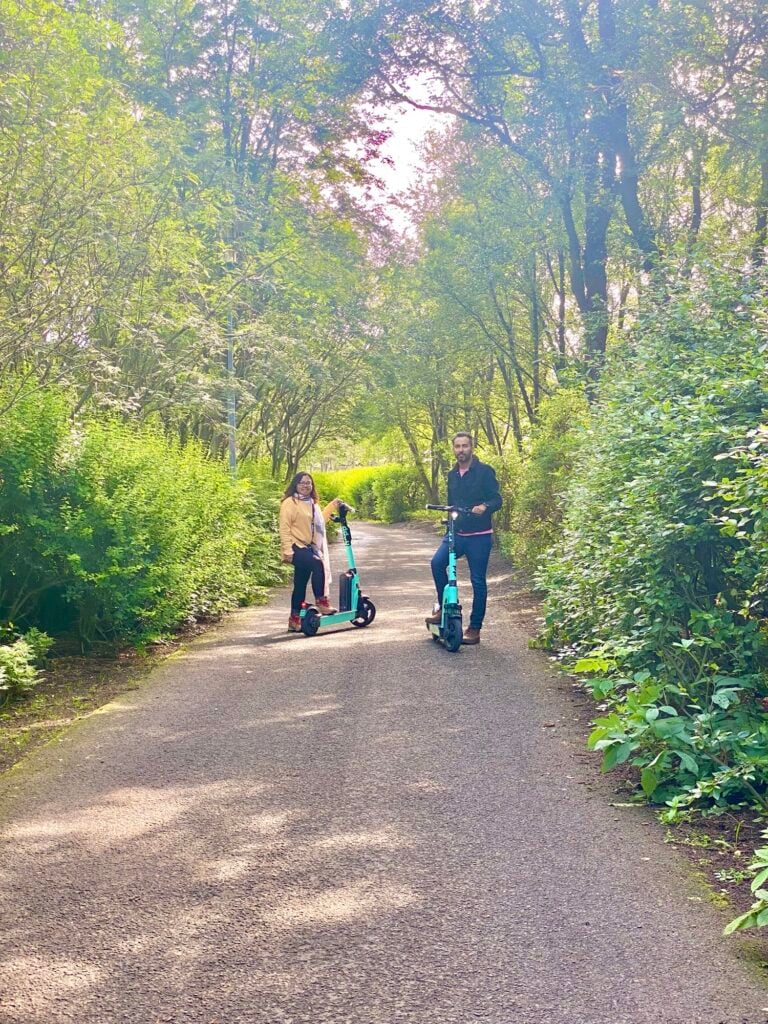
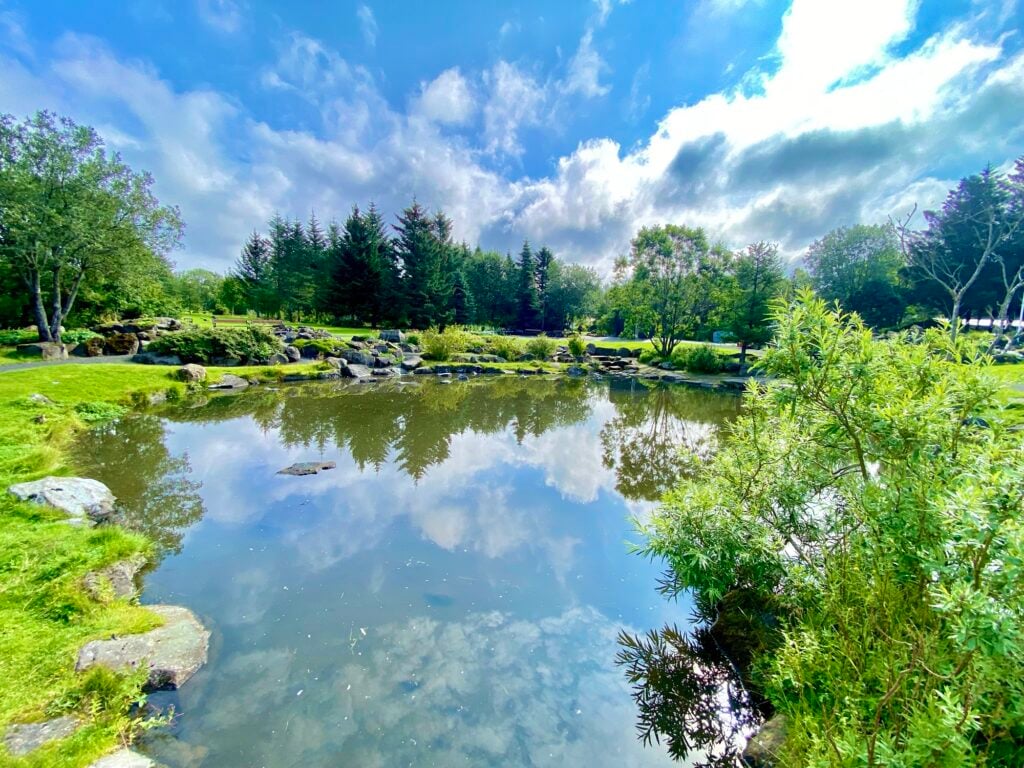
We arrived at Reykjavik airport in the morning, and took a bus to our hotel located in Laugardalur, a green and peaceful area of the city. After checking in and resting for a bit, we had a hearty breakfast at the hotel, and then relaxed for a while. We also visited the Laugardalur Park, where we rode scooters and explored the botanical garden, the zoo, and the sculpture garden.
Book it: Things to do around Laugardalur
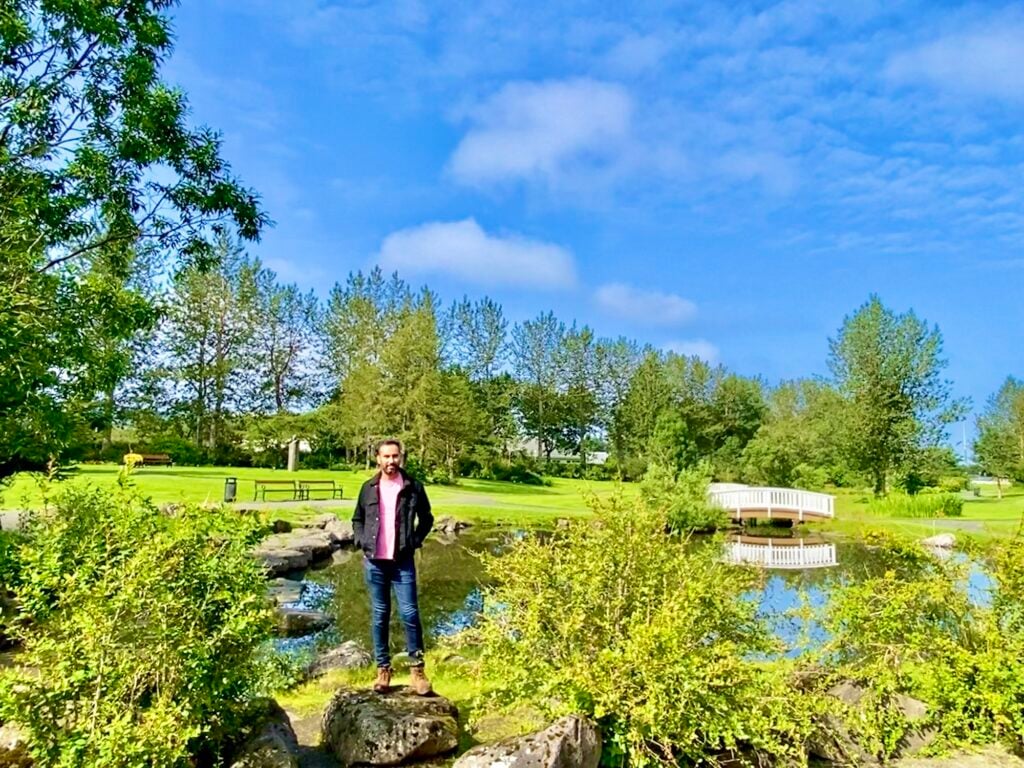
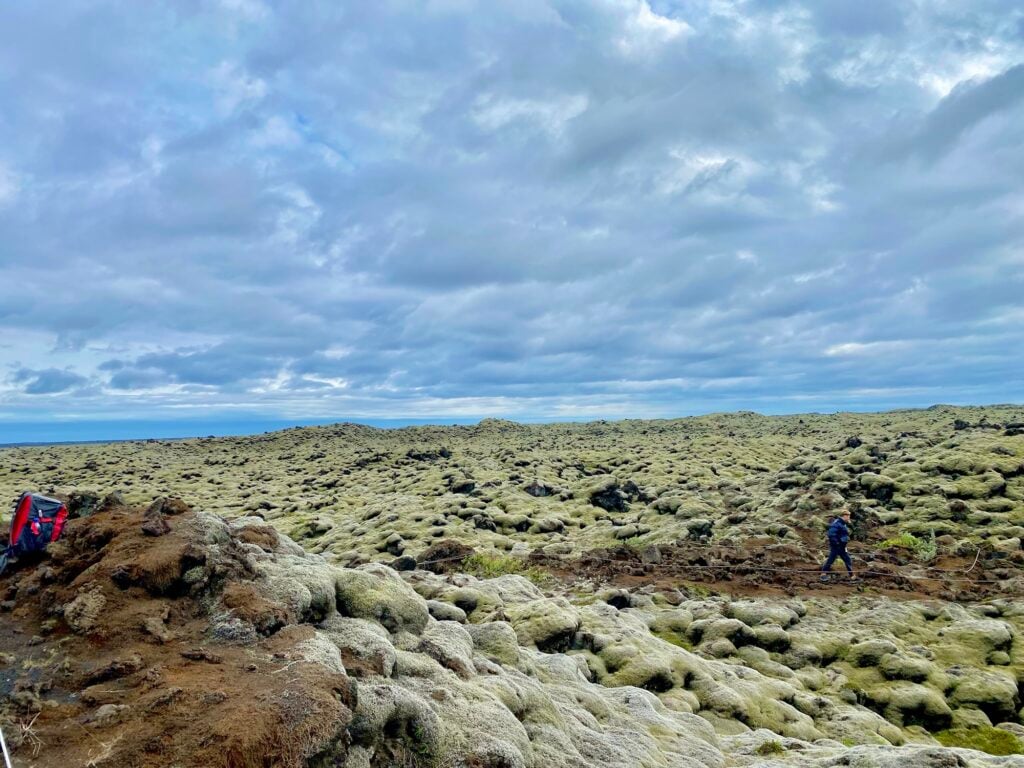
View from bus going to Reykjavík
Blue Lagoon
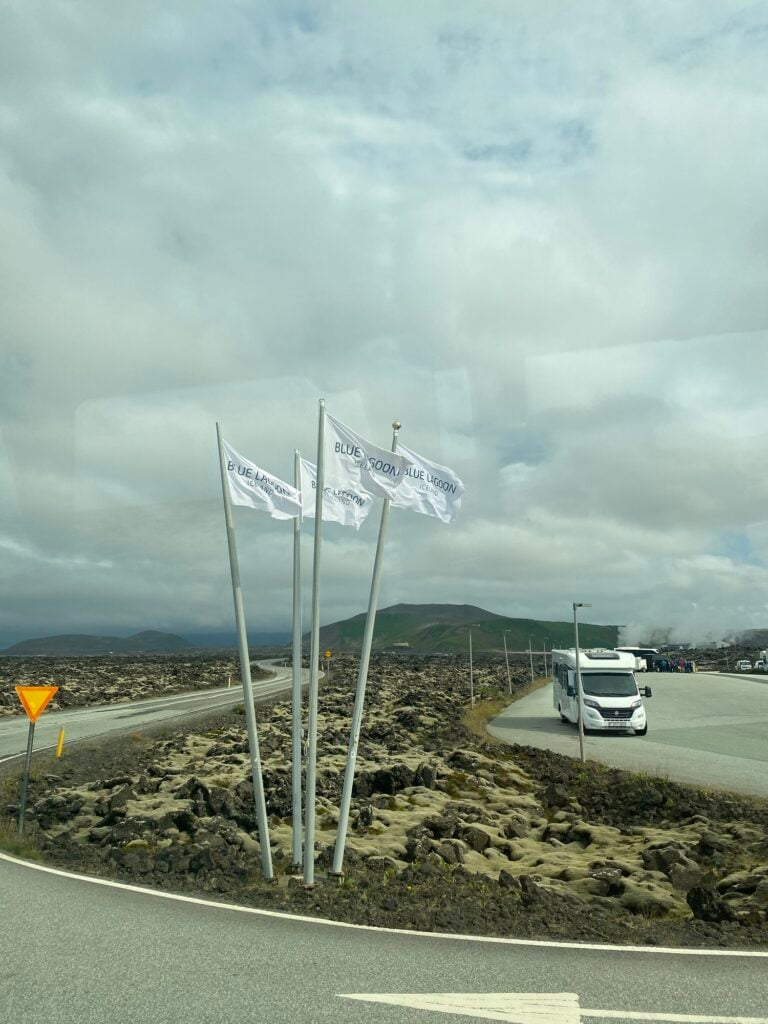
In the afternoon, we took a bus to the Blue Lagoon, one of the most famous attractions in Iceland. Blue Lagoon is a geothermal spa located in Iceland, specifically in a lava field in Grindavík, on the Reykjanes Peninsula in southwestern Iceland. The mineral-rich seawater creates a milky blue color and a soothing effect on the skin.
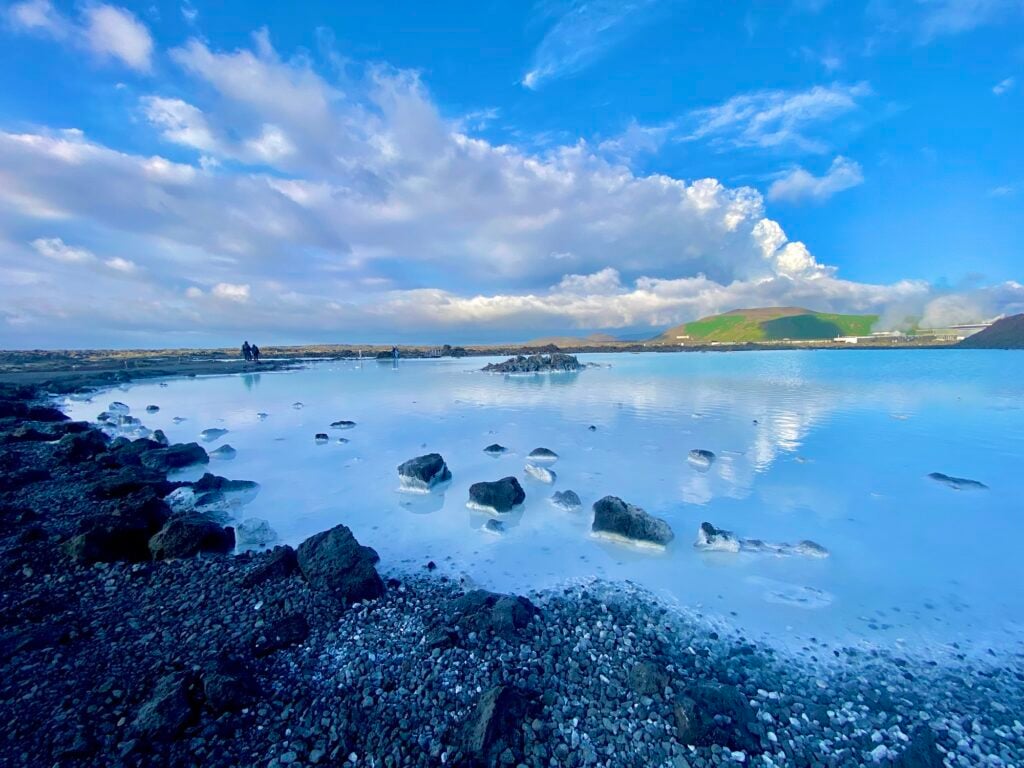
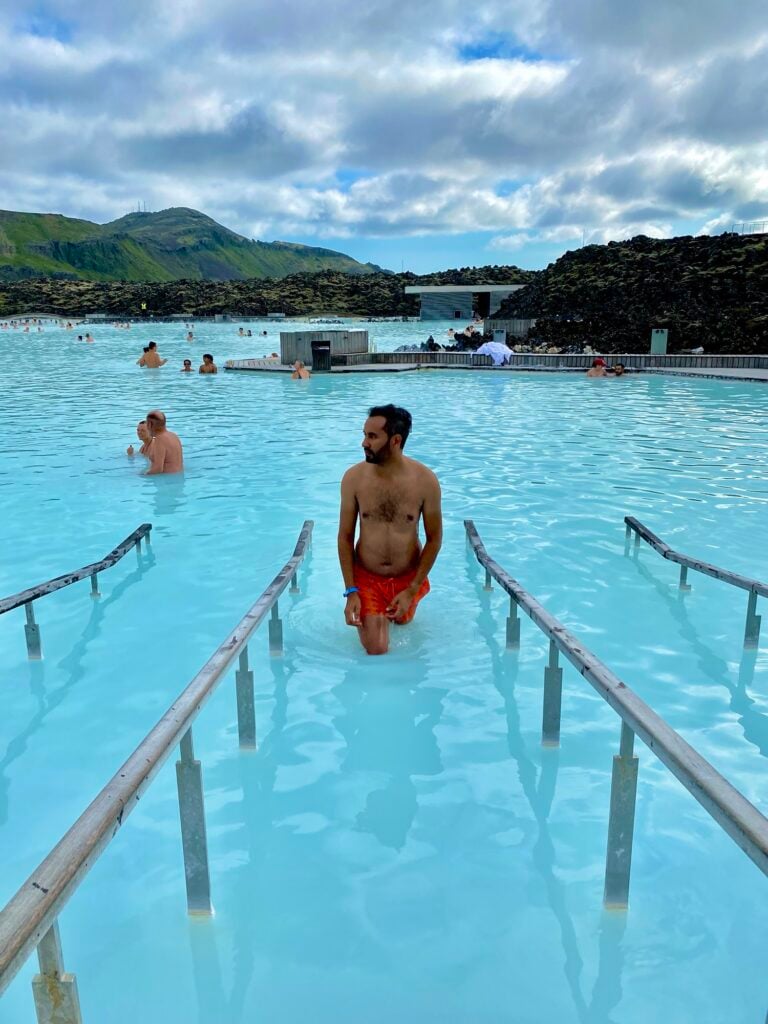
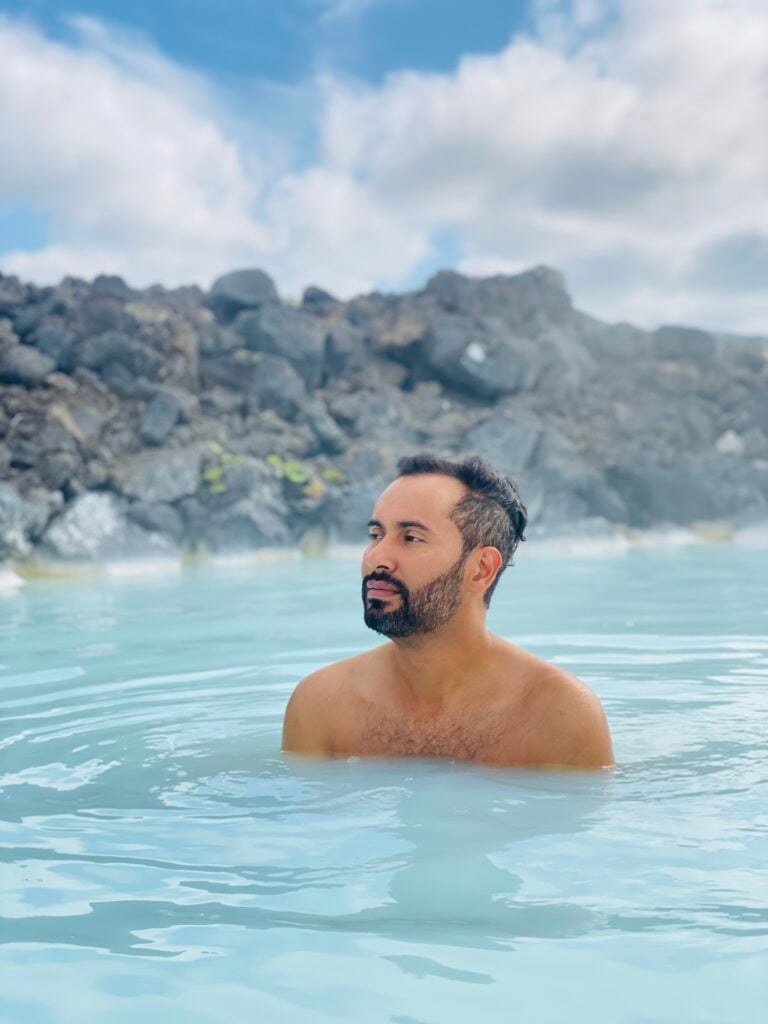
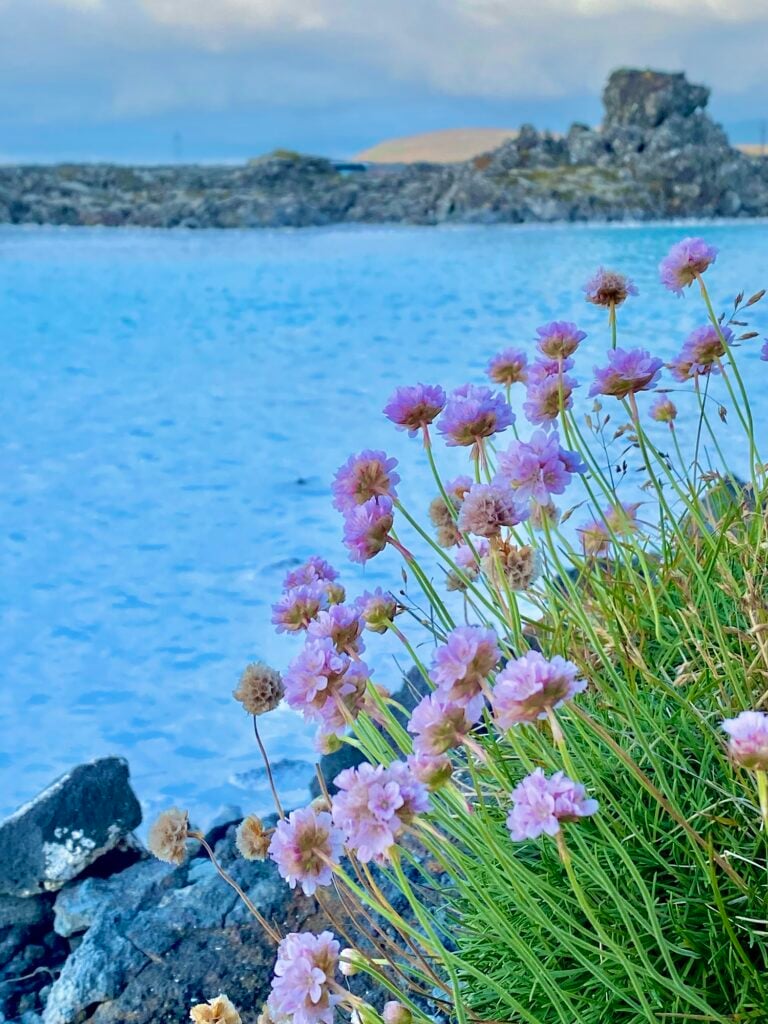
We spent a couple of hours soaking in the lagoon, applying the silica mud mask, and enjoying the views of the volcanic landscape. It was a truly relaxing and rejuvenating experience. Wondering if it’s worth the price? Here’s my honest take on the Blue Lagoon.
Book it: Blue Lagoon tickets and transfers
Dinner at Kopar by the Old Harbor
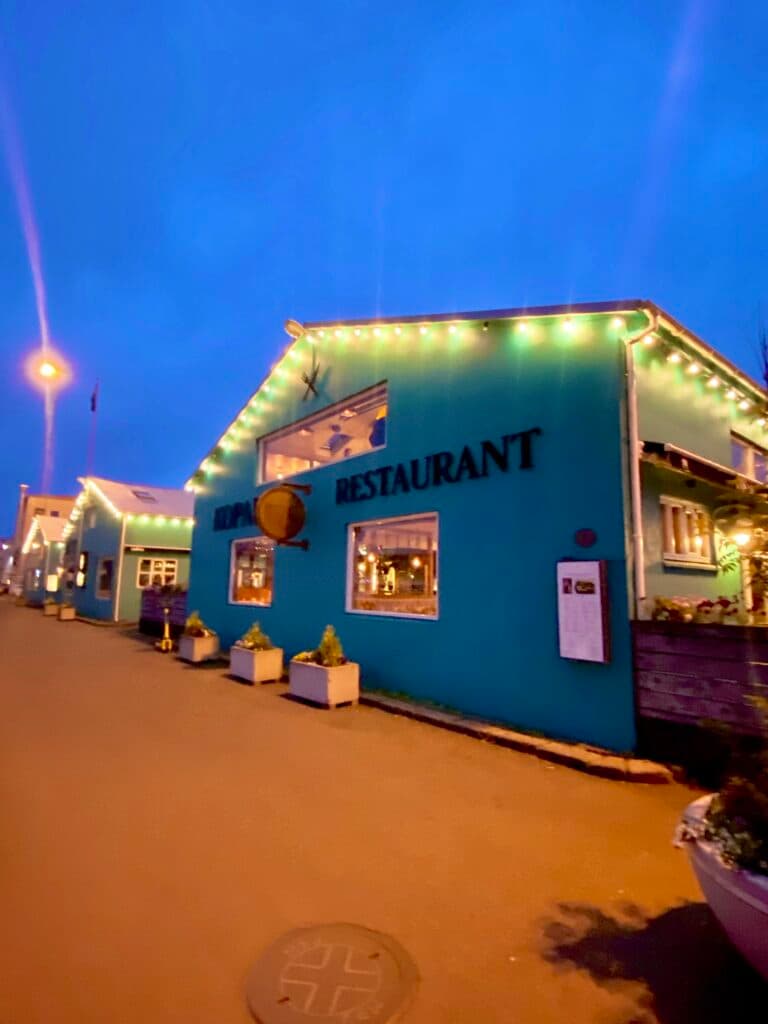
After the lagoon, we took a bus back to Reykjavik, and had dinner at Kopar, a grill and cocktail bar by the old harbor. I had the carrot soup and the cod fish, which were both delicious and fresh. David and Gabby had the adventure menu, which consisted of nine courses of creative and delicious dishes, such as rock crab soup, lamb fillet, and chocolate cake.
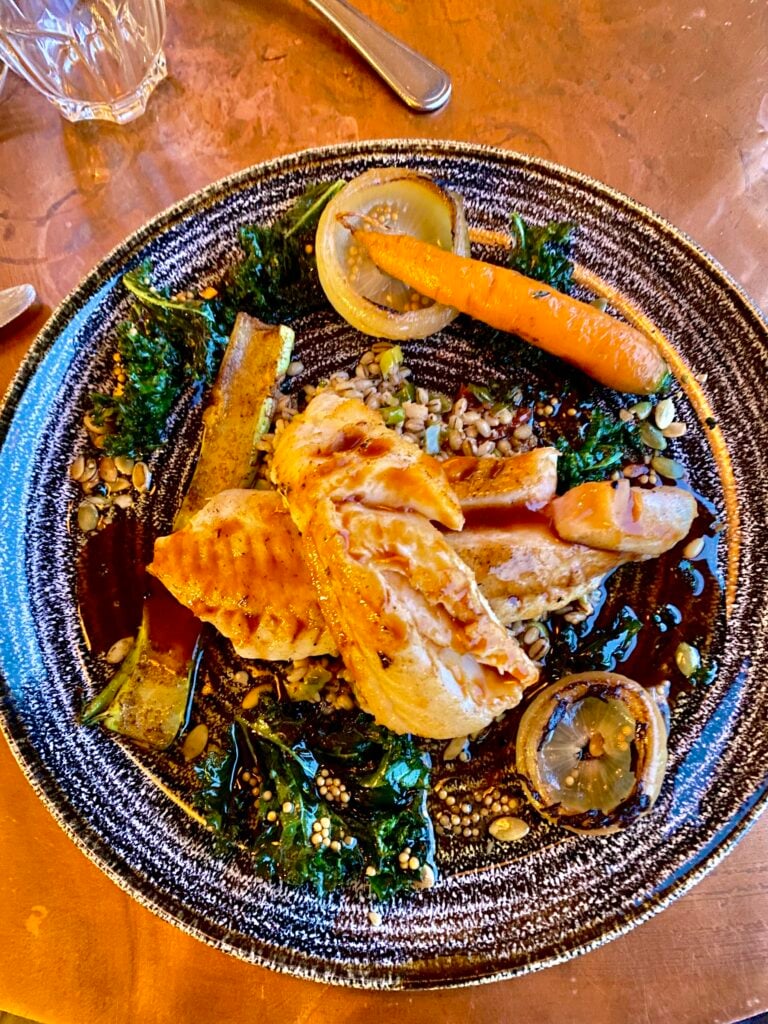
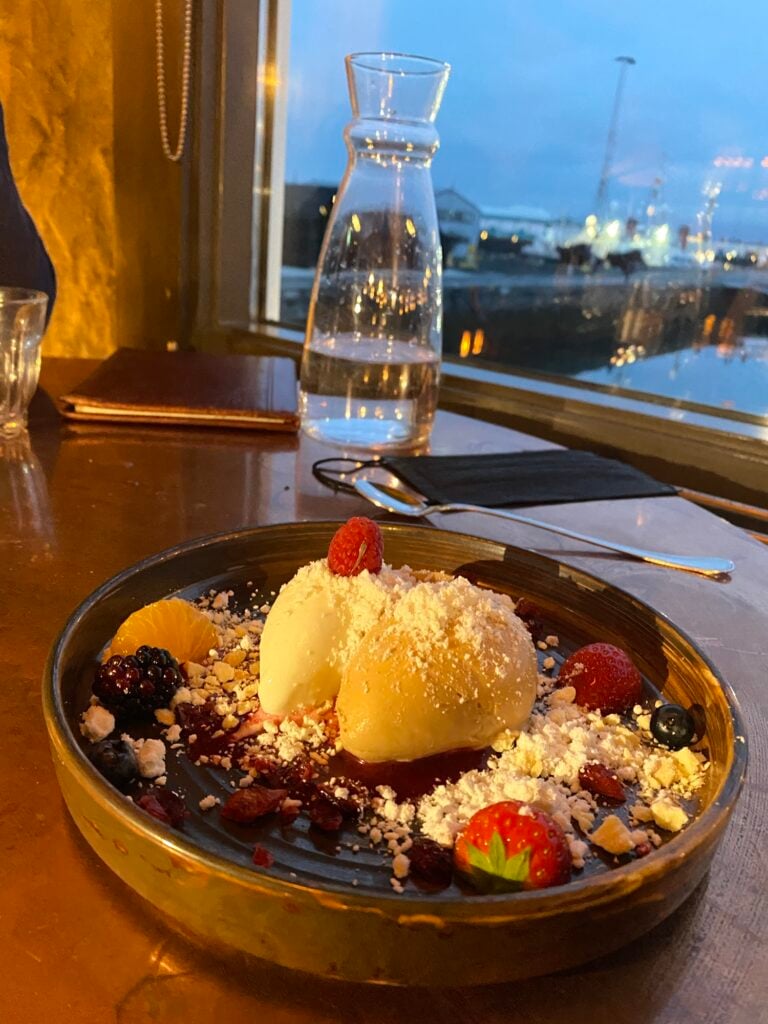
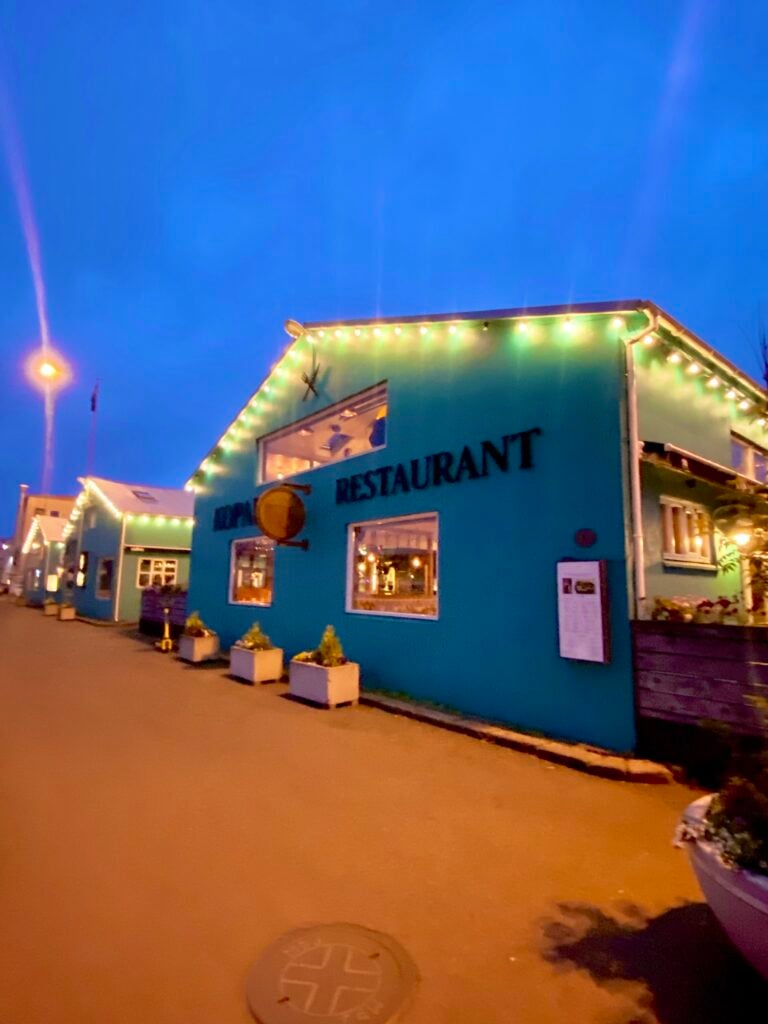
We also enjoyed the live music and the cozy atmosphere. It was a perfect way to end the day. After dinner, we walked around the harbor and noticed that it was still bright outside, even though it was 11:30 pm.
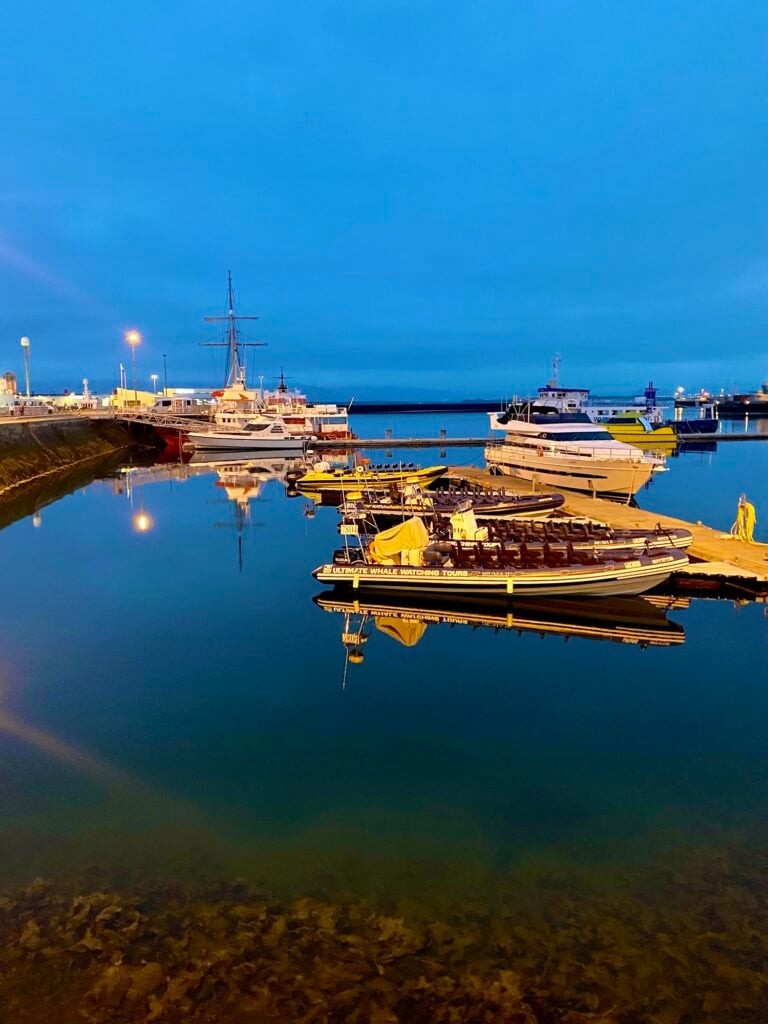
We learned that around midsummer Iceland gets the midnight sun, when the sun barely sets at all, and even in August the evenings stay light for hours. That means long days of daylight, and sometimes the sky changes colors from pink to orange to blue. It was a magical sight that we will never forget.
Day 2: South Coast Waterfalls and Black Sand Beach
On our second day we started the 2-day south coast tour that was part of our package. Over two days we saw two majestic waterfalls, a dramatic black sand beach, and a mesmerizing glacier lagoon. It was full of awe and adventure!
Iceland is a country of waterfalls, with over 10,000 of them scattered across the land. Some are larger than others, and some plummet into small blue pools while others dribble over moss-covered rocks or lava fields.
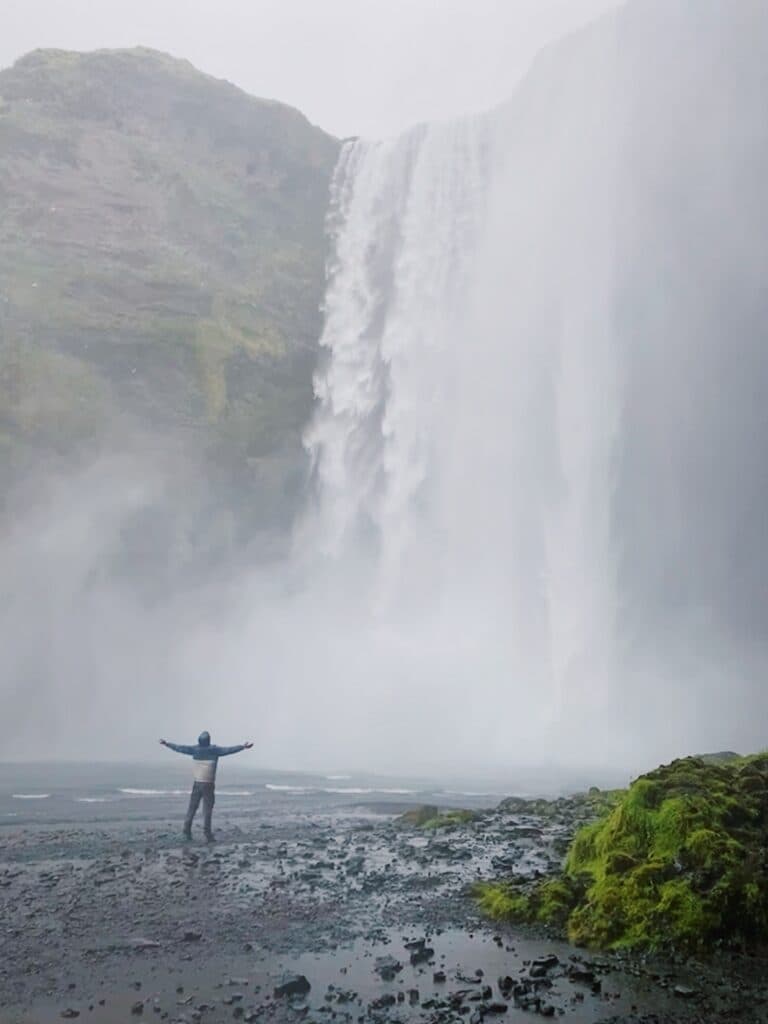
We explored two of the most spectacular waterfalls in the country: Seljalandsfoss and Skogafoss. We were amazed by their beauty and power, and we had fun viewing them from various points and levels. The highlight of our day was walking behind Seljalandsfoss, which gave us a unique and stunning perspective.
Book it: South coast day tours
Seljalandsfoss Waterfalls
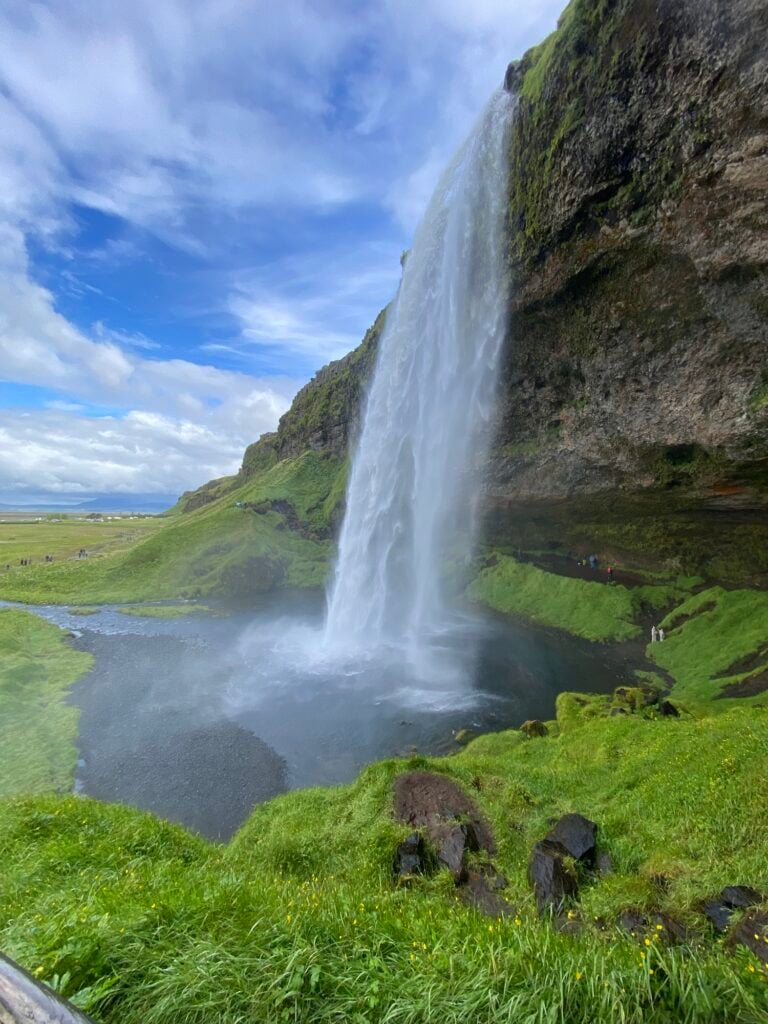
We also learned that Seljalandsfoss is one of the many waterfalls in Iceland that are fed by the melting glaciers.
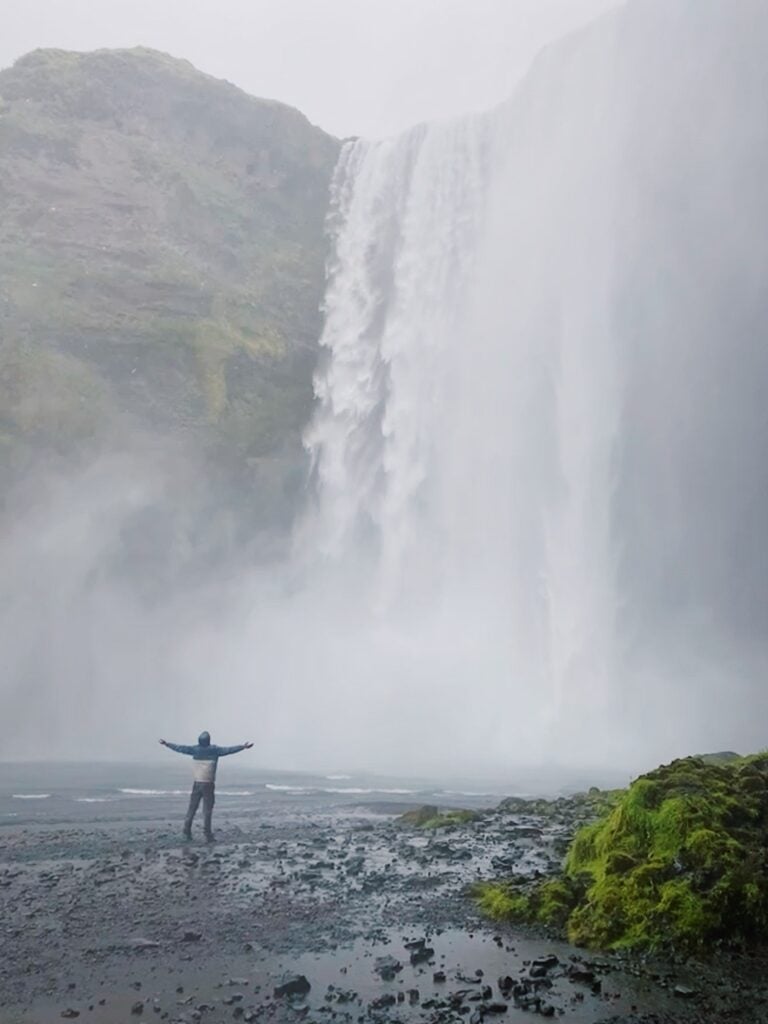
Skogafoss Waterfalls
Our next stop was Skogafoss, another impressive waterfall that is 60 meters tall and 25 meters wide. We climbed up the stairs to the top of the waterfall, where we had a panoramic view of the surrounding landscape.
Reynisfjara Black Sand Beach
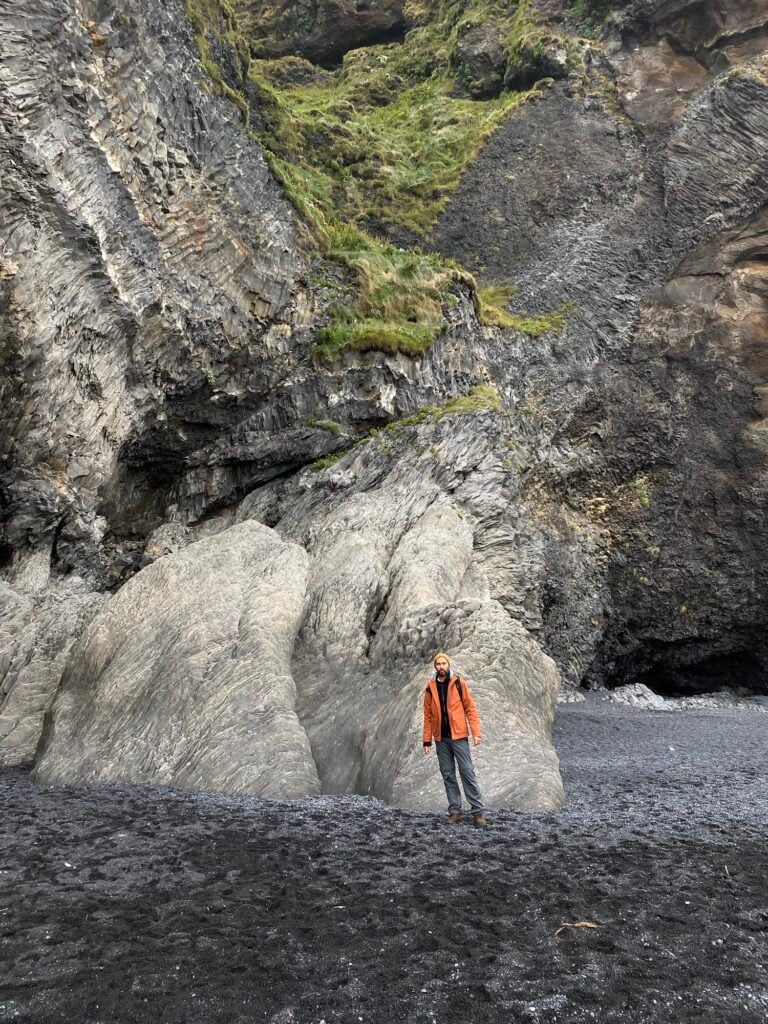
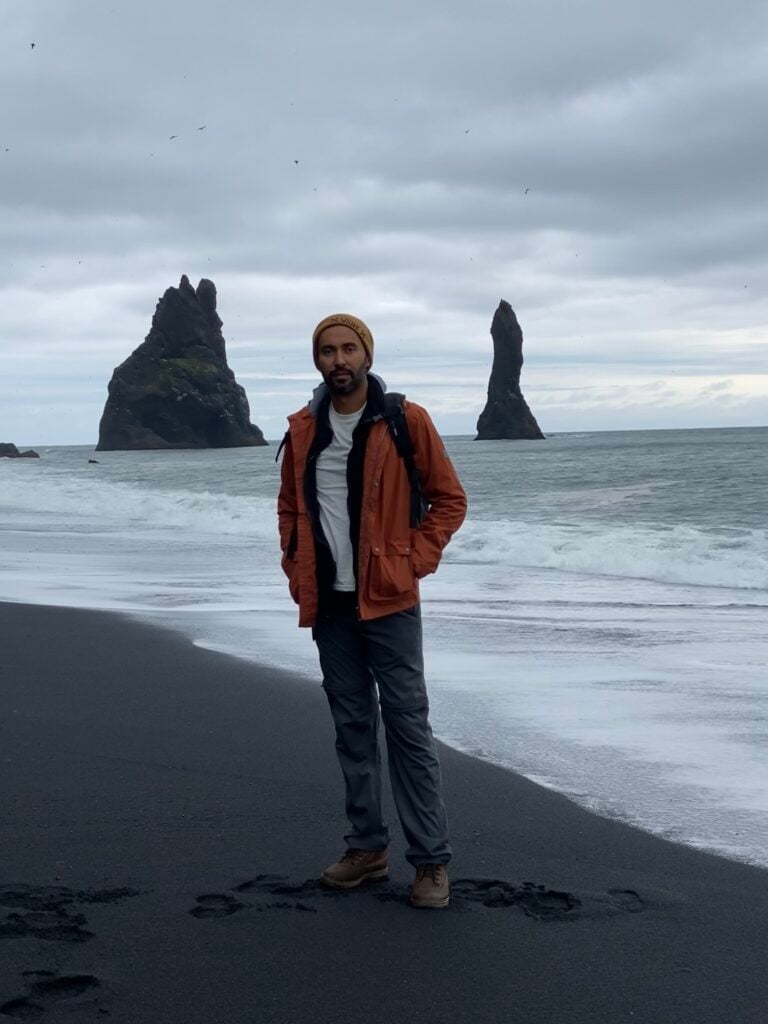
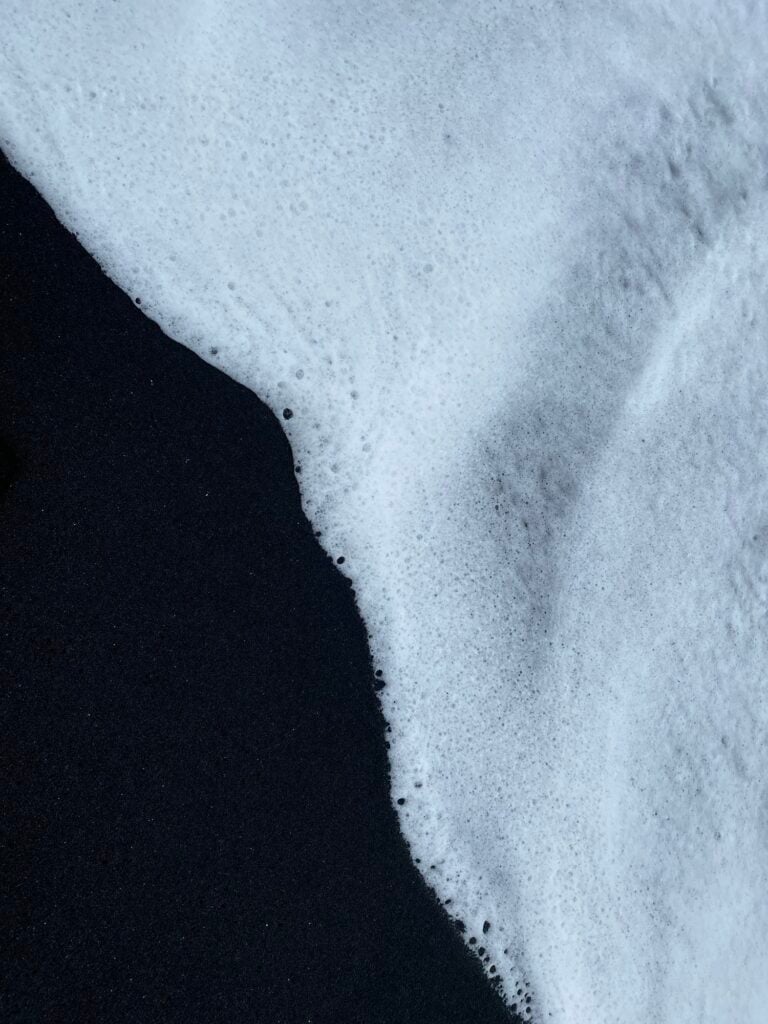
After the waterfalls, we continued to the black sand beach of Reynisfjara, just outside Vík, where we saw the striking contrast between the dark sand and the white waves. We also admired the basalt columns and the rock formations of Reynisdrangar, which are said to be the remains of trolls that were turned to stone by the sunlight. We were careful not to get too close to the water, as the waves can be very powerful and dangerous.
Book it: Tours that stop at Reynisfjara
From the beach, the tour continued east toward Höfn í Hornafirði, near the glacier lagoon of Jokulsarlon, where we spent the night.
Day 3: Jökulsárlón Glacier Lagoon
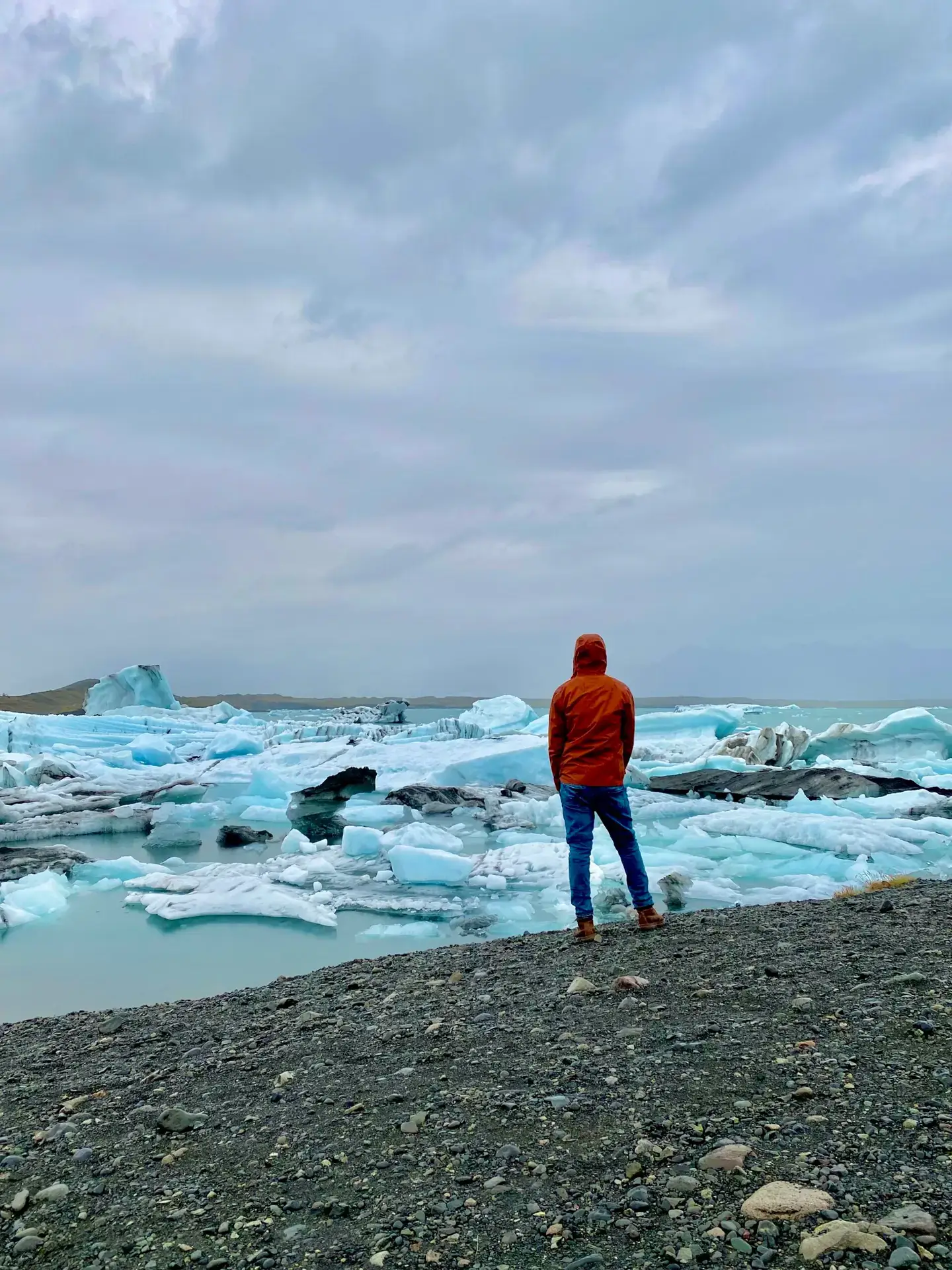
Jökulsárlón Glacier Lagoon
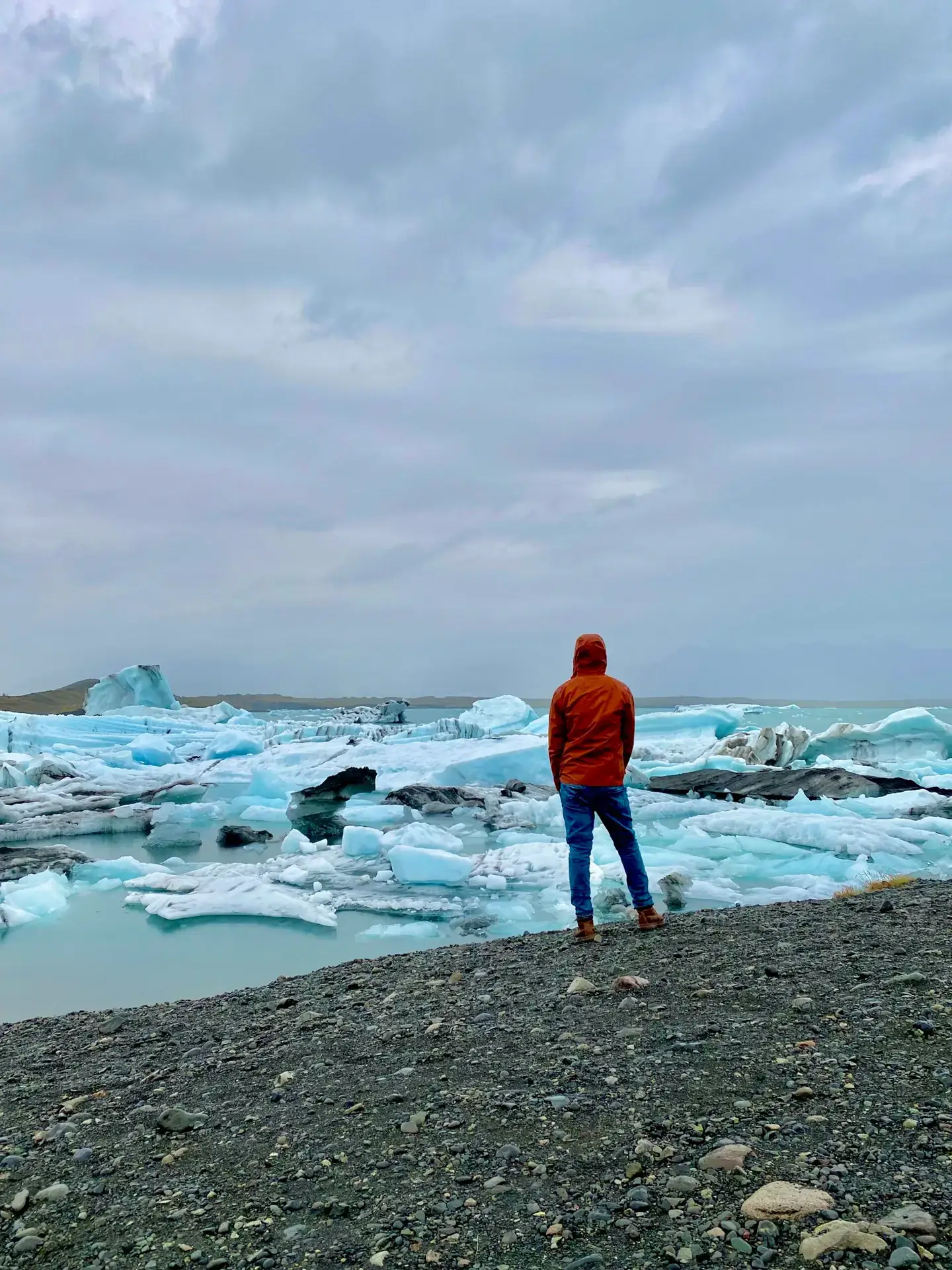
The glacier lagoon is a stunning sight, where huge blocks of ice break off from the glacier and float in the water. We took a boat ride on the lagoon, and got to see the icebergs up close, and even got to hold a piece of ice for some pictures. It was amazing to see the different shapes, colors, and sizes of the ice, and to learn about the history and ecology of the glacier.
Book it: Jökulsárlón boat tours
It was a long drive back to Reykjavík, but those two days rewarded us with some of the most breathtaking views and experiences of our lives. We returned to our hotel in Laugardalur, tired but happy, and rested for the next day.
Day 4: Sunrise, Glacier Hike, and Downtown
Sunrise at Hallgrímskirkja
Day four was an early start, as we wanted to catch the sunrise at Hallgrimskirkja, the iconic church that dominates the skyline of Reykjavik. We walked to the church from our hotel, and climbed up the tower, where we had a spectacular view of the city and the mountains. The sunrise was one of the best we had ever seen, with the sky changing colors from pink to orange to blue. It was a magical moment that we will never forget.
Sólheimajökull Glacier Hike
After the sunrise, we joined another guided tour that took us to the Solheimajokull glacier, where we did a three-hour glacier hike. We put on our crampons, helmets, and harnesses, and followed our guide on the ice.
We learned how to walk on the glacier, how to use the ice axe, and how to avoid the crevasses. We also saw some amazing features of the glacier, such as ice caves, moulins, and moraines. It was a thrilling and educational adventure that made us appreciate the beauty and power of nature.
Book it: Sólheimajökull glacier hikes
Downtown Reykjavík and Dinner at Matarkjallarinn
At night, we explored the downtown area of Reykjavik, where we saw the colorful houses, the street art, and the quirky shops.
We also had dinner at Matarkjallarinn, a cozy and elegant restaurant that serves Icelandic and international cuisine. We had the tasting menu, which included dishes such as smoked puffin, grilled lamb, and skyr cheesecake.
We also enjoyed the live jazz music and the friendly service. It was a great way to end the day.
Day 5: Golden Circle and the Volcano
Þingvellir National Park
Day five was our last full day in Iceland, and we wanted to make the most of it. We rented a car and drove the Golden Circle, starting at Thingvellir National Park, where we saw the rift valley between the North American and Eurasian tectonic plates. We walked along the Althing, the site of the oldest parliament in the world, and saw the Oxararfoss waterfall, the Thingvallavatn lake, and the Silfra fissure. We also learned about the historical and cultural significance of the park, which is a UNESCO World Heritage Site.
Book it: Golden Circle tours
Geysir and Strokkur
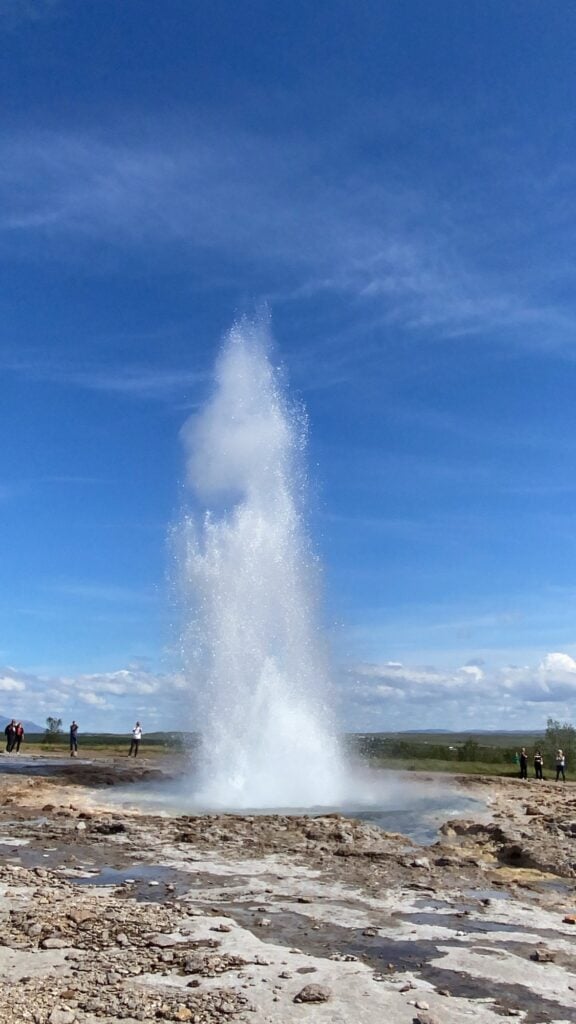
After the park, we drove to the Haukadalur geothermal area, where we saw the famous geysers of Geysir and Strokkur. Geysir is the original geyser that gave its name to all the others, but it is mostly dormant now. Strokkur, on the other hand, erupts every few minutes, shooting a jet of hot water and steam into the air. We watched the geysers for a while, and also saw the bubbling mud pools, the steaming vents, and the colorful minerals.
Fagradalsfjall Volcano
Our final stop of the day was near Grindavík, at the Fagradalsfjall eruption area. We hiked to a safe viewing point over the new lava fields, a landscape shaped by the recent eruptions on the Reykjanes Peninsula. It was an awe-inspiring and humbling sight, and we felt lucky to see it. Eruptions here come and go, so check the current status with Safetravel before you go.
Book it: Volcano hikes on the Reykjanes Peninsula
We drove back to our hotel, packed our bags, and prepared for our departure the next day.
Heading home
The next morning we had to say goodbye to Iceland. We checked out of our hotel, took a bus to the airport, and boarded our flight back home. We were sad to leave, but we were also grateful for the amazing days we had in Iceland. We made some unforgettable memories, saw some incredible sights, and had some fun adventures. We also learned a lot about the country, its people, and its culture. We agreed that Iceland was one of the best places we had ever visited, and that we would love to come back someday.
Tours I’d book again
- The whole trip: Guide to Iceland’s Amazing 5-Day Summer Vacation Package. Hotels, airport transfers and the 2-day south coast tour, sorted. Here’s my honest review of the package.
- Jökulsárlón boat ride: the closest you’ll get to the icebergs. See boat tours
- Sólheimajökull glacier hike: crampons, ice axe, a real guide. My favourite thing we did. See glacier hikes
- Blue Lagoon: book ahead, it sells out. See tickets
What 5 days in Iceland costs
Typical costs (estimates), per person in USD, summer 2023 prices. These are ballpark ranges to help you budget, not what we paid. Iceland is expensive, so plan for it. Full breakdown in how much 5 days in Iceland costs.
- 5-day summer package (4 hotel nights, transfers, main tours): roughly $1,400–$2,500, depending on hotels and season. Flights not included.
- Food: about $60–$120 a day. A sit-down dinner in Reykjavík easily runs $50+ per person.
- Blue Lagoon entry: about $70–$120, depending on the package level.
- Extras: Jökulsárlón boat ride about $50–$90; glacier hike about $100–$150 if it’s not in your package.
- One-day rental car: about $80–$150 per car, plus fuel.
Package tour vs self-drive
Most Iceland guides assume you’ll rent a car and drive the Ring Road. We didn’t, and I don’t regret it. The package handled the long south coast stretch, including a night out east, so nobody had to drive five hours each way after a day of waterfalls. We only rented a car on our last day for the Golden Circle and the lava fields, which are close to Reykjavík and easy to drive.
Go package if it’s your first trip, you have five days or less, or nobody wants to drive on gravel and single-lane bridges. Go self-drive if you want total freedom over stops and timing, or you’re staying longer and heading beyond the south coast. The middle ground we did, tours plus a car for one day, worked really well. More in my Guide to Iceland package review.
Know before you go: Iceland travel tips
Best time to visit
It depends on what you want to see. Summer days are extremely long. Around the June solstice, Reykjavík gets about 21 hours of daylight, and even in early August it was still bright when we walked the harbor at 11:30 PM. Summer (June to August) is when I went, and it’s what I’d recommend for a first trip: long days, open roads and the south coast tours running. Summer is also when the highland F-roads open, usually in late June or early July.
Around the December solstice, Reykjavík gets only about 4 hours of daylight. The trade-off is the northern lights. Visit Iceland puts aurora season from late August to late April, and you need darkness plus clear or partly clear skies. The aurora shows up most often around 11 PM, so plan to be outside from roughly 10 PM to 1 AM.
Winter conditions are not limited to winter. Snow and ice can also show up in spring and autumn, so build some flexibility into any road trip.
Getting there and getting around
- Airport transfer: Keflavík International Airport (KEF) is about 50 km from Reykjavík. The Flybus is timed to every arriving flight and takes around 45 minutes to the BSÍ bus terminal in Reykjavík, with optional hotel drop-off.
- Tours vs. driving: Guided tours are an easy way to see the south coast and the glaciers without driving yourself. That’s how we did most of our trip, with a rental car only for the last day. If you rent a car, be well rested first. Safetravel points out that many visitors feel jet lagged after an overnight flight from America. My guide to overcoming jet lag can help.
- Speed limits: 50 km/h in towns, 80 km/h on rural gravel roads, and 90 km/h on paved rural roads unless signs say otherwise. Headlights must be on at all times, all year, and the blood alcohol limit (0.02%) means you can’t drive even after one drink.
- Single-lane bridges: They are common on and off the Ring Road. The speed limit across them is 50 km/h, and the car closer to the bridge has the right of way.
- Road conditions: Check umferdin.is (road.is) before every drive, or call the 24-hour road information line at 1777. Google Maps and other map apps don’t always show closed or impassable roads.
F-roads and highland driving
- F-roads are Iceland’s mountain roads. They are usually closed from mid-September until June or July, and they only open once the ground has properly thawed. Driving on a closed road can bring heavy fines.
- You need a suitable 4x4, and not every 4x4 works for every F-road. Some routes are only passable in a modified super jeep.
- Many F-roads have unbridged rivers. No insurance covers damage to a vehicle while crossing a river, so if you are unsure, turn around.
- Off-road driving is strictly forbidden. F-roads and gravel roads are fine; driving off them is not.
Weather and safety
- Forecasts and alerts: Check the Icelandic Met Office at vedur.is for the weather and Safetravel for current alerts. Conditions can change fast.
- Emergencies: Call 112. If a 112 call won’t connect, Safetravel lists 599-0112 as a backup number. The 112 Iceland app is designed to speed up getting information to responders in an emergency.
- Reynisfjara: Sneaker waves can surge far up the beach with zero warning. Warning lights at the entrance show the current level: yellow means stay alert, orange means stay at least 25 m (82 ft) from the sea, and red means the beach is closed beyond the viewing area. Never turn your back on the sea, and watch for falling rock near the cliffs.
- Glaciers: Safetravel recommends going with a guide who knows the area well. It currently warns that conditions at the edge of Sólheimajökull are changing rapidly, with an unstable ice ridge and a risk of rockfall, so check before you book.
- Blue Lagoon and Reykjanes: Pre-booking the Blue Lagoon is essential. It sits in a seismically active area and has built protective barriers against potential lava flows, so check the latest updates before you go.
- Þingvellir: A parking service fee applies at the lots closest to the most popular sights.
What to pack
- Layers: a warm base layer, a fleece or light insulated jacket, and a waterproof, windproof shell
- Waterproof shoes with good grip for waterfall spray (especially if you walk behind Seljalandsfoss like we did) and black sand beaches
- A swimsuit for the Blue Lagoon
- A hat and gloves for glacier hikes and northern lights nights
- A sleep mask if you visit around midsummer, when it barely gets dark
Want the full list? Here’s what to pack for Iceland in summer, with a printable checklist. Want to pack lighter for a trip like this? Here is how I travel comfortably with minimal luggage. And if Iceland is calling you, it is also on my lists of top adventure travel destinations and best solo travel destinations for first-time travelers.
FAQ
Is 5 days enough for Iceland?
For a first trip to the south and southwest, yes. Five days got us the Blue Lagoon, the south coast, Jökulsárlón, a glacier hike and the Golden Circle. You won’t see the whole country. For the full Ring Road, plan a week or more.
Do I need a 4x4?
Not for this route. Everything here is on paved main roads, and we used tours for most of it. You only need a 4x4 for F-roads in the highlands, which aren’t on this itinerary.
Is the Blue Lagoon worth it?
For me, yes, especially on arrival day after a flight. It’s touristy and not cheap, but soaking in that milky blue water in a lava field is a great way to start. Book ahead. More in is the Blue Lagoon worth it?
How much daylight is there in August?
A lot. It isn’t the midnight sun of June anymore, but in early August it was still bright when we walked the harbor at 11:30 PM. Long days mean you can fit more in.
When is the best time to go?
For a first trip, summer (June to August): long days, open roads and all the tours running. Go late August to April if the northern lights matter most to you, and accept shorter days and winter roads.
Final thoughts
Iceland in five days is absolutely doable, and a package made it easy. If I did it again, I’d keep the same plan: tours for the long south coast stretch, a car for the last day, and the glacier hike no matter what. If you have questions, leave them below and I’ll answer.
From Instagram
Comments
Checking sign-in…
Loading comments…